Get ready with me videos: what parents should know
GRWM videos mix morning routines with product promotion, so parents should know what teens watch, what the skincare risks are, and how to talk about ads.
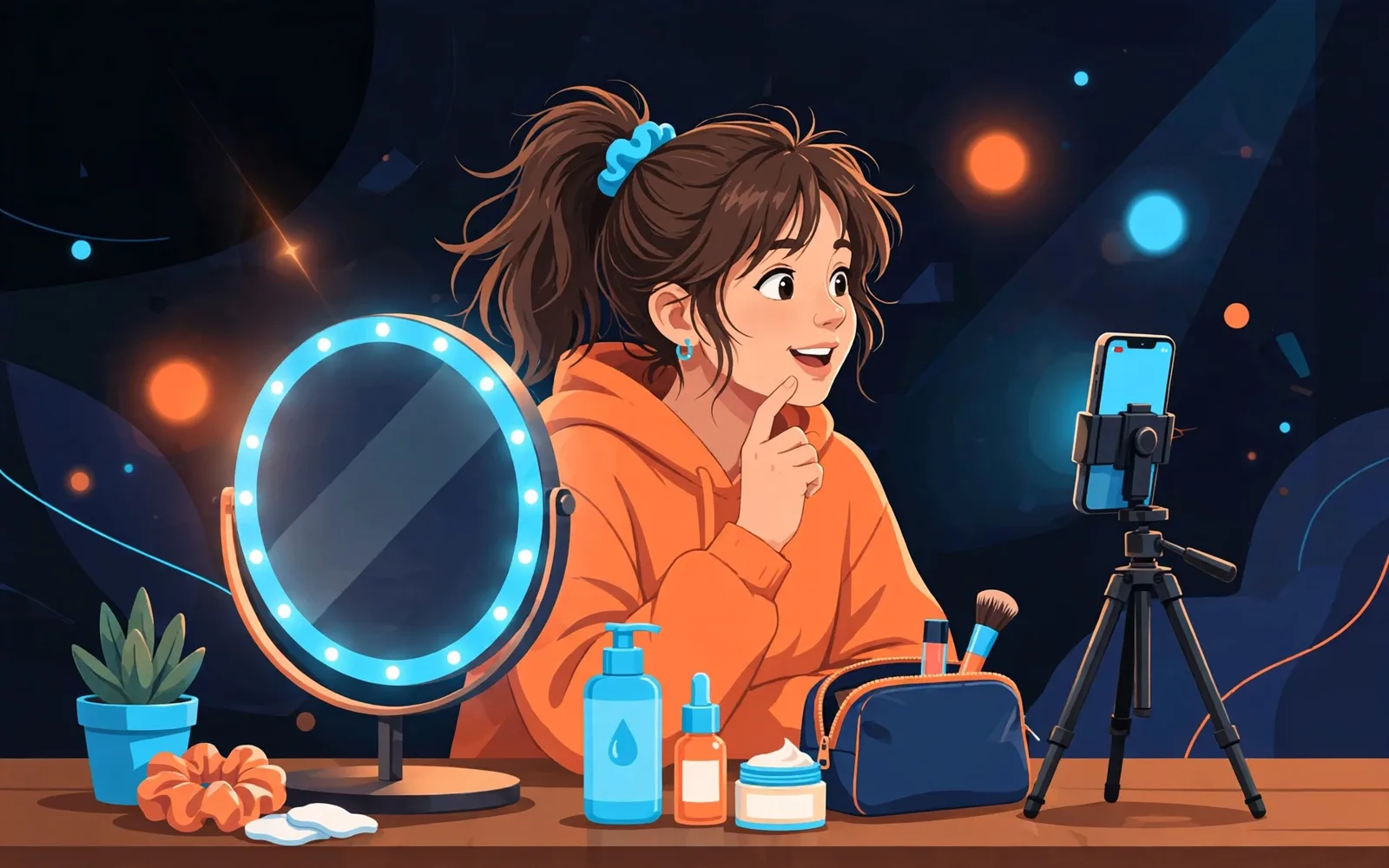
GRWM videos are friendly routine videos that often double as beauty marketing, so parents should keep teen routines simple, check for paid promotions, and talk about ads and skin health.
If your teen has ever said "get ready with me" while pointing a phone at the bathroom mirror, you have met one of the biggest video formats online. In a GRWM video, a creator talks to the camera while getting ready: washing their face, applying skincare or makeup, picking an outfit, and chatting about life. The format feels friendly, almost like getting ready next to a friend, which is exactly why parents should understand what happens behind the camera.
GRWM videos began as a simple idea: share a morning routine. They are now a huge part of beauty content on TikTok, YouTube, and Instagram: a 2023 U.S. survey reported the trend had already passed 124.5 billion views on TikTok.
Why teens love GRWM videos
Teens do not watch GRWM videos only for product tips. They offer company, routine, and belonging: watching someone get ready can feel calming before school, and the creator talks directly to viewers and shares stories about friends and school. For a teen nervous about fitting in, that can feel like having an older sibling in the room.
The videos also teach skills in a low-pressure way: a hairstyle, a basic skincare routine, or an outfit idea, all step by step. That easy-to-copy format is part of their appeal and part of the risk.
There is a social reason too. Beauty and skincare have become a shared language among many teen friend groups. A survey of more than 2,600 parents of children ages 7 to 17 found that 74% of kids watch "get ready with me" videos, and 22% film their own. The same survey found that 79% of kids have asked a parent to buy a beauty product they saw on social media. When a trend is this common, understanding it beats banning it.
The beauty angle: what the routines really contain
Most GRWM videos aimed at teens focus heavily on skincare, with far more products than young skin needs. A 2025 study in the journal Pediatrics examined 100 TikTok skincare videos by creators aged 7 to 18 and found each routine averaged 6 products costing $168 per routine, with some over $500.
Worse, the most-viewed videos averaged 11 potentially irritating active ingredients, some as many as 21, including strong exfoliating acids and anti-aging ingredients made for adult skin. Young skin is thinner and more sensitive, so layering these can cause redness, peeling, breakouts, and even a lasting skin allergy, known as allergic contact dermatitis.
Most surprising is what the routines leave out: only 26% of the videos included sunscreen, the one product dermatologists consistently recommend for young people. Ten serums and no sun protection is a shopping list, not a health routine.
This does not mean all skincare is bad for teens: a teen with acne or eczema may genuinely need treatment. The problem is the message that healthy skin requires many expensive products, used in a strict order, every day. For most teens, a gentle cleanser, a moisturizer if needed, and daily sunscreen are enough.
The marketing angle: when a routine is also an ad
The second thing parents should know is that many GRWM videos are marketing, even when they do not look like ads. Creators may be paid by a brand, sent free products, or earn money when viewers buy through a link. Some creators are open about this. Others mention it so quickly, or so quietly, that a young viewer misses it entirely.
This matters because GRWM videos work through trust: the creator feels like a friend, not a salesperson, so a recommendation feels like personal advice. Research on branded GRWM videos featuring children and teens describes how they blend everyday routines with brand display, teaching young viewers to copy the shopping habits behind them.
The law is clear: the U.S. Federal Trade Commission requires creators to make a paid or gifted brand relationship obvious, so viewers can weigh the recommendation. A "material connection" includes payment, free products, and discounts, and the disclosure must sit with the endorsement, not at the end of a caption. See the FTC's Disclosures 101 for Social Media Influencers.
Teach your teen to spot the signs: a "paid partnership" label, the words "ad" or "sponsored," a discount code, or a link that earns the creator money. The goal is not suspicion of every creator, but knowing the difference between a genuine favorite and a paid promotion.
What to watch for as a parent
You do not need to watch every video your teen watches. But a few warning signs are worth a conversation:
- Routines with many products, especially strong acids, retinol, or anti-aging creams, used by a child or young teen.
- Skin problems that get worse after starting a new routine: redness, stinging, peeling, or new breakouts.
- Pressure to buy expensive products to fit in, or distress when a product cannot be bought.
- Videos that link beauty to worth, such as routines that promise a "glow up" or suggest that normal skin, with pores and occasional spots, is a problem to fix.
- Long hours spent watching routine videos, especially late at night, when they replace sleep, homework, or time with friends.
For perspective, a recent Common Sense Media census reported that U.S. teenagers average more than 8 hours of entertainment screen time a day, and 82% of teenagers watch short-form videos daily. GRWM videos are one small part of that diet, but a useful place to start a conversation about viewing habits.
What GRWM videos show versus what helps
| What GRWM videos often show | What actually helps most teens |
|---|---|
| A long routine with many products | A short routine: gentle cleanser, moisturizer if needed, sunscreen |
| Expensive, adult-targeted serums and acids | Simple, fragrance-free products suited to young skin |
| Perfect, filtered skin as the goal | Normal skin, which has pores, texture, and occasional spots |
| Products presented as must-haves | Products chosen for a real need, such as acne or dryness |
| A creator who seems like a friend | A reminder to check whether the creator was paid or gifted the product |
How to talk about GRWM videos with your teen
Start with curiosity, not criticism. Ask which creators they like, then watch one video together and talk through it: which products appear, whether the creator says they were paid, and whether the routine is realistic for a school morning.
Then agree on a simple routine and a clear purchase rule: nothing gets bought just because it appeared in a video. Check ingredients together, and ask a pharmacist or dermatologist if unsure. A dermatologist quoted in reporting on the trend recommends children under 18 stick to a maximum of three products: gentle cleanser, fragrance-free moisturizer, and sunscreen.
Finally, talk about the feelings behind the trend. Many GRWM videos suggest confidence comes from a perfect routine, but real confidence comes from friendships, skills, humor, sport, and creativity too. If your teen seems anxious about their appearance, take that seriously and discuss it with a doctor or counselor if needed.
GRWM videos are not all bad: at their best, they are fun, creative, and comforting. But when a routine becomes a long list of expensive products and hidden ads aimed at young viewers, parents have good reason to step in. Watch together, ask questions, and keep routines simple.
Frequently asked questions
What does GRWM mean?
GRWM stands for "get ready with me": a creator films themselves getting ready for the day or school while talking to the camera, showing the skincare, makeup, or clothing products they use.
Are GRWM videos safe for tweens and teens to watch?
Most are not dangerous to watch, but their routines can mislead young viewers: long, expensive routines with strong ingredients children do not need, and brand deals that are not clearly disclosed. Watching together and talking about what you see is the best safeguard.
How many skincare products does a teen actually need?
A gentle cleanser, a moisturizer if skin feels dry, and daily sunscreen are enough for most teens. Dermatologists recommend no more than three products under 18, with sunscreen first; extras should target a specific concern, such as acne, ideally with professional advice.
Why are GRWM videos so popular with teens?
They feel personal and relaxing, like spending time with a friend, and they teach skills step by step. That friendly style is a big part of the appeal, and it is also why their product recommendations can feel more persuasive than a regular ad.
Should I let my teen make their own GRWM videos?
That depends on your teen's age and maturity, and your family's rules about posting online. Making videos can be creative, but posting publicly brings risks: strangers commenting on appearance and pressure to buy new products. If you allow it, agree on boundaries first: no brand deals without your knowledge, no personal details like school names, and regular check-ins.