11% of teens show problematic social media use (WHO, 2024)
More than one in ten teens shows addiction-like social media symptoms, the WHO found, with rates rising from 7% in 2018 to 11% among 11 to 15 year olds.
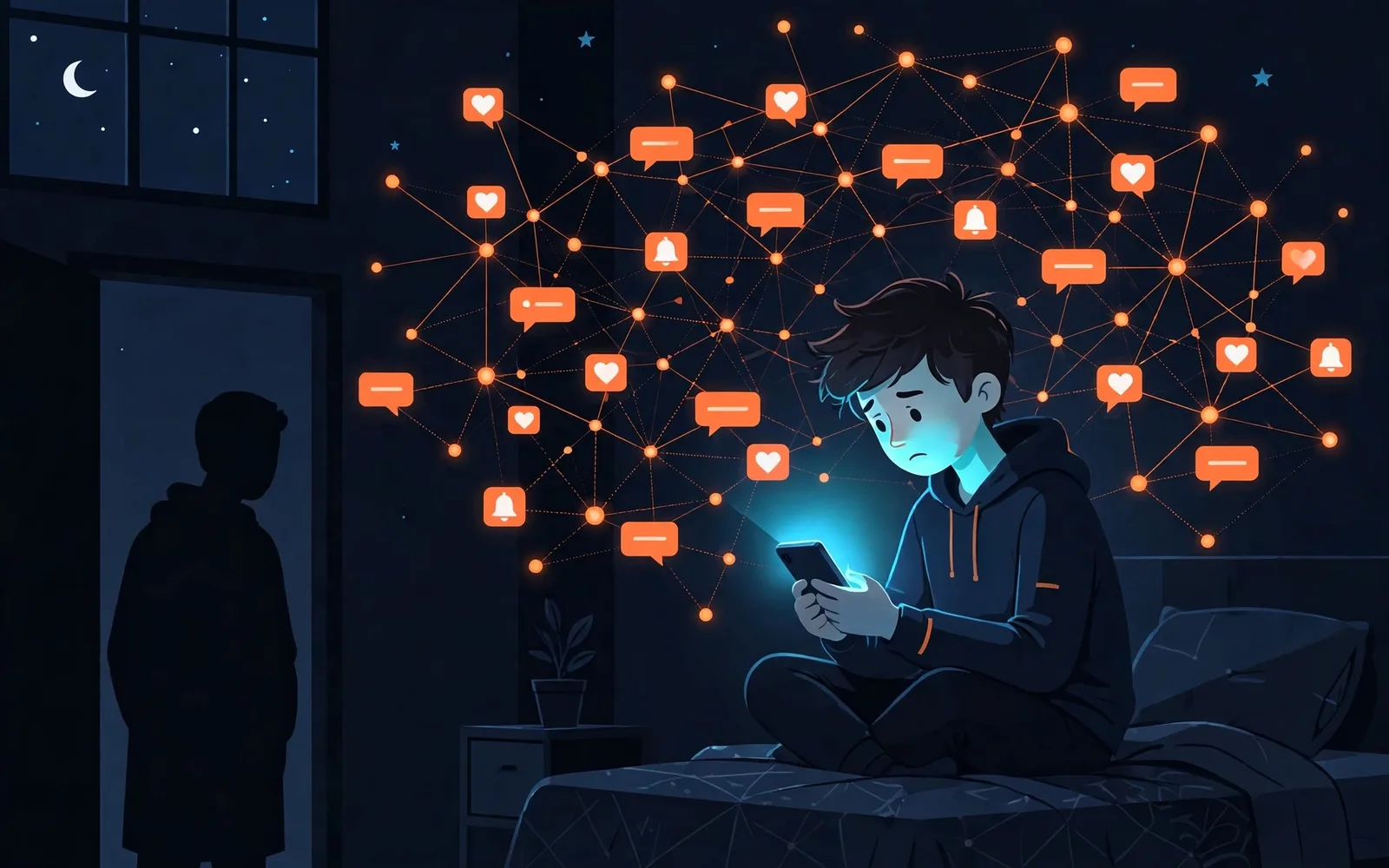
More than one in ten teens shows addiction-like social media symptoms, the WHO found, with rates rising from 7% in 2018 to 11% among 11 to 15 year olds.
More than one in ten adolescents now shows signs of problematic social media use, according to new data from the WHO Regional Office for Europe, published in 2024.
The figures come from the Health Behaviour in School-aged Children (HBSC) study, which surveyed almost 280,000 young people aged 11, 13 and 15 across 44 countries and regions in Europe, Central Asia and Canada in 2022. Rates of problematic social media use rose from 7% in 2018 to 11% in 2022.
Problematic use is not just heavy use. WHO describes it as a pattern with addiction-like symptoms: struggling to control use, feeling withdrawal when offline, neglecting other activities for social media, and facing negative consequences in daily life.
The gap between girls and boys is clear. Girls reported higher levels of problematic social media use than boys (13% vs 9%), and 44% of 15-year-old girls reported constant online contact with friends (36% of all young people surveyed). Boys, by contrast, were more likely to be at risk of problematic gaming (16% vs 7%).
There is also good news in the same report: teens who used social media heavily but not problematically reported stronger peer support and social connections. The difference is not how much time they spend online, but whether they stay in control of it.
WHO calls for digital literacy education and open family conversations about digital wellbeing. If you are worried about your child's habits or mood, talk to your child's doctor.